RCM Exams Online Canada 2026: Remote Practical aur Theory Exam Ka Process
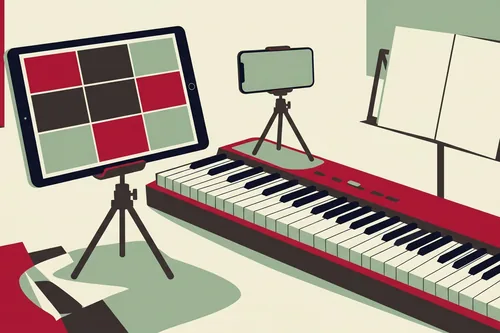
If your child is preparing for an RCM exam this year, the format question comes first: in-person centre, ya ghar se? Since 2020 the Royal Conservatory of Music has run Remote Exams — and for families across Canada, RCM exams online have become a normal, reliable option. This guide walks through how remote practical exams and online theory exams work in 2026, what setup you need, and which in-person sessions are scheduled for 2026–27.
What a remote practical exam is
A remote exam is an alternative format of the traditional in-person RCM examination: the same standardized assessment by an RCM examiner, completed from the student's own practice space, on the student's own instrument, with no travel. According to the RCM, all that's required is a device with a camera and microphone (smartphone, tablet, laptop or desktop), internet access, and the instrument. During the exam the examiner must be able to see and hear the performance clearly.
Remote practical exams are open for registration on an ongoing basis, so families are not tied to a fixed session window the way in-person candidates are.
The setup and rules that matter
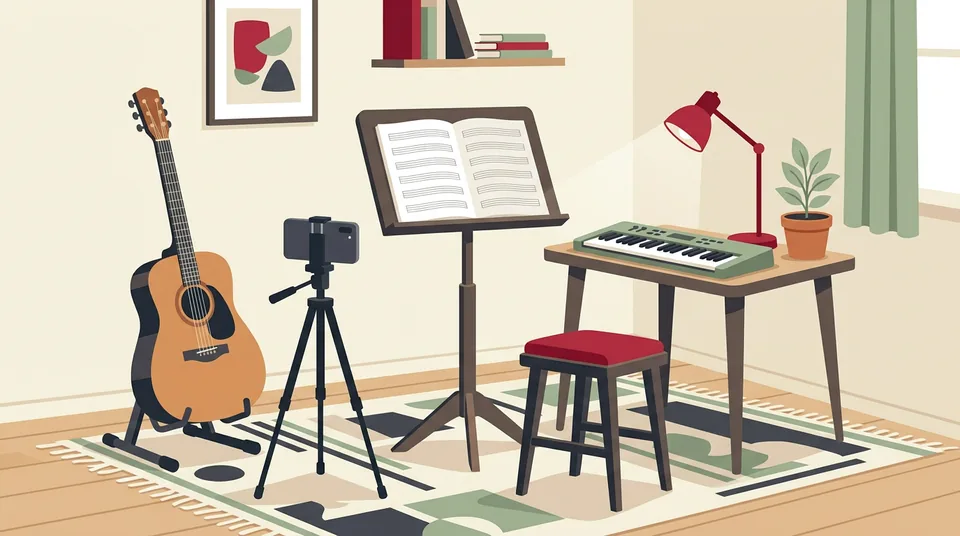
The RCM publishes discipline-specific conditions; check the remote practical exam overview for your instrument before registering. For piano, the commonly relevant points are:
- Instrument: for Preparatory to Level 8, a tuned acoustic piano is recommended and a weighted-touch keyboard (minimum 76 keys) is permitted; from Level 9 upward a tuned acoustic piano is required.
- Camera and internet: a smartphone or tablet is recommended, with a reliable high-speed connection (the RCM suggests 1.5 Mbps or faster) that others in the house are not using at the same time.
- Accompaniment: for Levels Prep–4 some disciplines allow recorded accompaniment; from Level 5 upward an on-site collaborative pianist is required where the repertoire needs one. Exams that ignore the accompaniment policy can lose up to 10 marks.
- Program Form: submitted online from the student's MyRCM account no later than 24 hours before the exam.
- Results: practical exam results, including the examiner's report, are generally available 4 to 6 weeks after the exam.
Online theory exams
Theory requirements can also be completed online. In the RCM's online format, the exam is purchased through MyRCM, access arrives by email, and the candidate completes it online in one sitting within 120 days of purchase — whenever they are ready, wherever they have internet access. In-person theory exams continue to run on fixed session dates as an alternative. Exam lengths and available subjects vary by level, so confirm the current details on the RCM's theory exam overview.
In-person 2026–27 sessions (Canada)
Many students still choose an in-person exam, and some advanced practical formats are easier in person. The RCM's published Canadian dates for 2026–27 are:
| Session | Registration | Exams |
|---|---|---|
| December 2026 / January 2027 | Opens September 9, 2026 · deadline November 3, 2026 | Theory December 11–12, 2026 · practical January 18–30, 2027 |
| April 2027 (piano only) | Opens November 10, 2026 · deadline January 5, 2027 | Practical piano April 12–17, 2027 |
| May/June 2027 | Opens January 12, 2027 · deadline March 2, 2027 | Theory May 14–15, 2027 · practical June 7–26, 2027 |
The August 2026 session has already passed its registration deadline. Dates and deadlines can change — always confirm on the RCM's examination dates for Canada page before registering.
How lessons fit around the exam format
Whichever format you choose, preparation is the same discipline: repertoire, studies, technique, ear tests and sight reading for the practical; workbook fluency and past-paper practice for theory. In one-to-one online classes I prepare piano students for RCM exams, including camera-aware mock exams that rehearse exactly what a remote examiner will see and hear. The RCM conducts and assesses the exam; students register directly with the board, and I am not an RCM-registered teacher.
Deciding between remote and in-person? Read the credit planning side too — an accepted RCM result can also support an Ontario high school music credit, and the general preparation guide covers RCM piano exam preparation online in depth.
Try a free one-to-one intro first
Before any enrolment or payment, book one free 15–30-minute one-to-one intro — an introduction with me, not one of the paid classes. After the intro, one-to-one monthly plans are 4 classes for CA$72, 8 classes for CA$129.60 (10% off) or 12 classes for CA$183.60 (15% off), each class 45–60 minutes. Full details are on the fees page, and you can book the free intro by WhatsApp at +91 62800 75157 or email at drbnrj@gmail.com.
Common remote-exam mistakes (aur unse bachne ke tarike)
Most remote-exam trouble is technical, not musical. The usual four: a camera angle where the examiner cannot see the hands, a Wi-Fi network shared with a sibling's video class, a keyboard that turns out to be unweighted, and a Program Form left to the last hour. All four are fixable the week before, not the hour before.
Rehearse the full run one evening: camera on, Program Form submitted, accompaniment arranged if the level needs it, family warned to stay offline. Mock exams in lessons rehearse exactly this, so exam day has no surprises left.
After the exam: results, certificates aur next steps
Practical results, with the examiner's written report, are generally available 4 to 6 weeks after the exam in the student's MyRCM account. Read the report as a map, not a verdict: it shows exactly what the next level builds on. Certificates follow for successful candidates, and official certificates are what Ontario schools ask for when claiming the external music credit.
Ek realistic gap rakhna healthy hai: a student who starts the next level's repertoire while waiting for results keeps momentum without rushing the booking.
Frequently asked questions
Can RCM practical exams be taken from home in Canada?
Yes. RCM remote practical exams run on an ongoing basis from the student's own practice space, on their own instrument, with a device that has a camera and microphone and a reliable internet connection.
Is a digital keyboard allowed for a remote piano exam?
For Preparatory to Level 8, a weighted-touch keyboard with at least 76 keys is permitted and a tuned acoustic piano is recommended. From Level 9 upward a tuned acoustic piano is required.
How do online RCM theory exams work?
The exam is purchased through a MyRCM account, access arrives by email, and the candidate completes it online in one sitting within 120 days of purchase. In-person theory exams remain an alternative on fixed dates.
When are the in-person RCM sessions in 2026–27?
For Canada, the RCM lists a December 2026/January 2027 session, an April 2027 piano-only session, and a May/June 2027 session, each with its own registration window. Dates can change, so check rcmusic.com before registering.
Exam preparation — four boards, clear scope
I prepare students for Royal Conservatory of Music (RCM) piano exams. I also prepare students for graded music exams from ABRSM, Trinity College London and Rockschool, where the board offers an exam for the student’s instrument and goals.
I am not an RCM-registered teacher. I teach privately from the relevant published syllabus and assessment criteria. The exam board—not me—conducts and marks exams and issues certificates. Students register with the board themselves.
Requirements differ by board, instrument and level. Before choosing an exam, check the current syllabus and discuss which pathway fits the student’s goals.