
Adult Music Lessons Canada: Guitar Ya Piano Kaun Sa Pehle Seekhein?
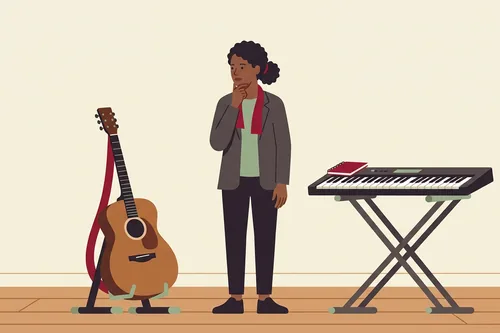
Adult beginners in Canada usually arrive with the same dilemma: music lessons for adults are finally on the table, budget is set, time is found — but guitar ya piano? Both instruments suit adult learners completely well, and the honest answer is that the right first choice depends on your music, your hands, your home and your patience in the first six weeks. This guide compares the two honestly, then explains how the classes here work.
Choose by the music you actually want to play
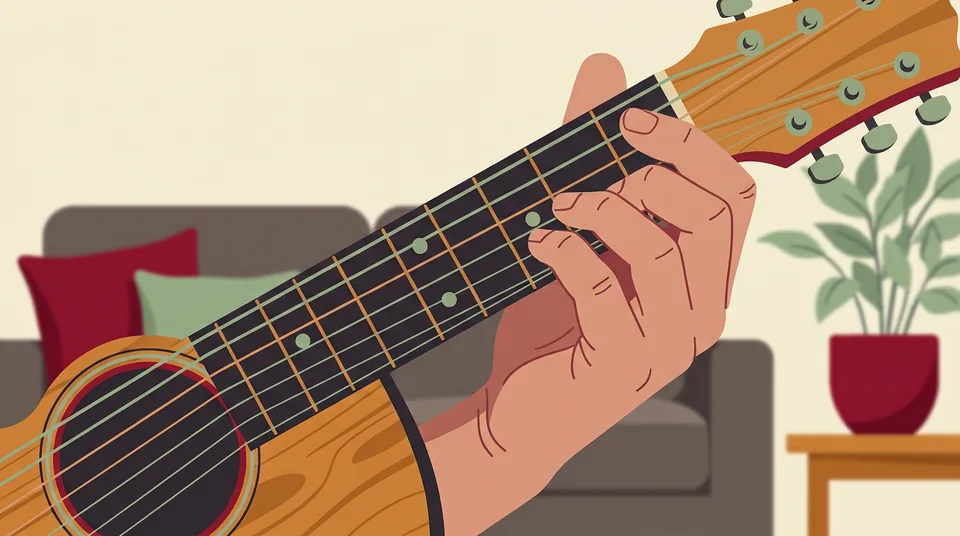
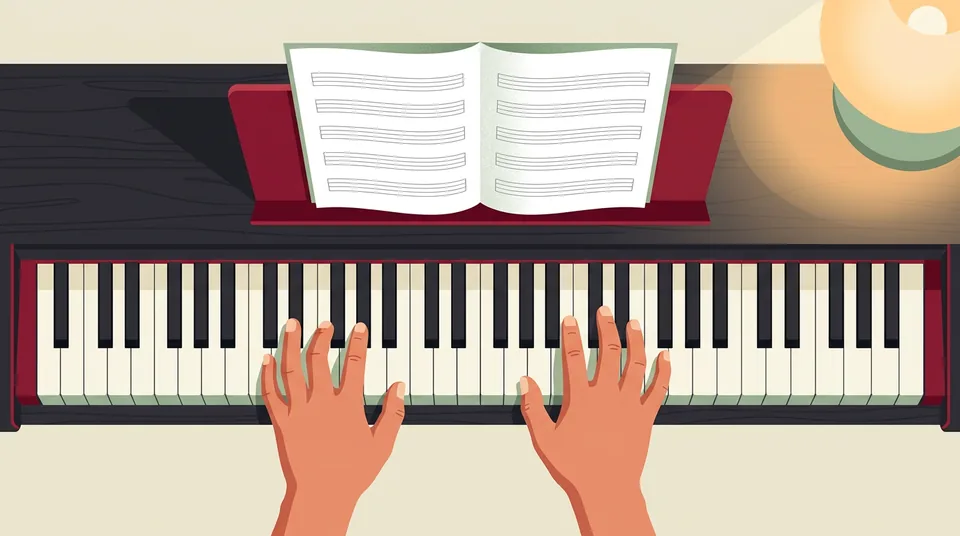
The strongest predictor of sticking with an instrument is wanting to play your songs. If your playlist is built on acoustic guitar — strummed singalongs, folk, indie, film songs on the guitar — the guitar gives you that reward sooner: within weeks you can play real chord accompaniments. If your taste runs to piano pieces, bhajans and melodies with both hands, or you secretly want to read notation properly, the piano pays off faster: the notes are laid out visibly, there are no chord-shape gymnastics, and early progress feels even and logical.
The honest differences that matter to adults
| Factor | Guitar first | Piano first |
|---|---|---|
| First rewards | Simple chords within weeks; singing along comes early | Simple melodies and two-hand pieces; reading grows steadily |
| Early physical hurdle | Fingertip soreness and barre chords | Hand independence; posture and wrist habits |
| Apartment practicality | Quiet to start; an electric guitar with headphones is very quiet | A digital keyboard with headphones is silent practice |
| Theory visibility | Fretboard patterns; theory feels practical later | Notes, scales and harmony are visible on the keys from day one |
| Start-up gear | A modest acoustic guitar is enough | A keyboard with 61+ touch-sensitive keys is fine for years; 88 weighted keys for advanced work |
One more honest point: dono instruments ka pehla mahina similar hai. Both reward short daily practice — fifteen to twenty focused minutes beats a two-hour weekend binge. Adults who progress fastest are rarely the most talented; they are the most consistent.
How the classes work here
One-to-one classes are 45–60 minutes each, booked in monthly plans of 4, 8 or 12 classes a month, scheduled together in your local time zone. Group classes are a fixed 8 classes a month, 60–90 minutes each, in batches of 5 to 8 students, with children's and adults' batches kept separate. Repertoire follows your goals — the songs and pieces you actually want — with technique and (if you want it) reading and theory woven in.
Still deciding? The broader guide to music lessons for adults in Canada covers goal-setting and the first month, the guitar and piano & keyboard pages detail each instrument, and the adults page summarises the options for adult learners.
Try a free one-to-one intro first
You do not have to choose blind. Book one free 15–30-minute one-to-one intro before any enrolment or payment — it is an introduction with me, not one of the paid classes. We discuss guitar vs piano for your goals, and you start with the instrument that fits. After the intro, one-to-one monthly plans are 4 classes for CA$72, 8 classes for CA$129.60 (10% off) or 12 classes for CA$183.60 (15% off); a group month is a fixed 8 classes for CA$96 per student. Details on the fees page; book the free intro on WhatsApp at +91 62800 75157 or email drbnrj@gmail.com.
Ek mahine ka beginner plan (dono instruments ke liye)
Week 1: setup and posture — the instrument tuned, the bench or chair right, five short sessions of ten minutes. Week 2: first shapes or first five notes, played slowly with a count. Week 3: two simple pieces or two chord changes, still slow. Week 4: play one real thing start to finish — a song's verse on guitar, or a short melody hands together on piano.
Notice the plan never says "practise for an hour". Twenty steady minutes, five or six days a week, beats one heroic Sunday — dono instruments mein same rule.
Common adult-beginner mistakes
- Buying gear before lessons: a modest instrument is enough to start; buying advice is free at the intro.
- Practising only songs and skipping the slow work — technique is what makes the songs possible.
- Comparing month one with a YouTuber's year five. Your comparison is last month's you.
- Stopping at the first plateau. Plateaus are where consolidation happens; the next jump follows.
Cost of starting: realistic first-year setup
Guitar route: a serviceable acoustic, a tuner, and a capo later — modest by design. Piano route: a keyboard with 61+ touch-sensitive keys and a stand and headphones; upgrade to 88 weighted keys only when repertoire demands. Both routes need nothing else in year one beyond the monthly plan — 4 classes at CA$72, 8 at CA$129.60, or 12 at CA$183.60.
Jo teacher pehle mahine mein bade gear ki selling kare, wahan sawal uthao — pehle saal ka kharcha chhota hona chahiye.
Ten-minute tests before you commit
- Guitar: press one fretted note cleanly; if the store's demo guitar is hard, a setup will fix it — ask.
- Piano: play five white keys with a steady count; if the keys feel heavy at first, that is normal — weighted keys grow on you.
- Singing along while strumming one chord: if that picture makes you smile, guitar first.
- Reading a simple melody line with two hands: if that picture appeals more, piano first.
The intro remains the real test — these are just warm-ups for it.
Frequently asked questions
Is guitar or piano easier for an adult beginner?
Neither is simply easier. Guitar rewards chord players early but asks for fingertip toughness; piano gives even, visible progress but asks for hand independence. Choose by the music you want to play.
Can I learn piano on a keyboard instead of a real piano?
Yes. A keyboard with 61 or more touch-sensitive keys is fine for years of study; weighted keys are worth having as you advance, and 88 keys for advanced repertoire.
How long before I can play a real song?
With steady practice, a simple song is a realistic first-month goal on both instruments. Consistency matters more than talent — short daily practice wins.
Am I too old to start music lessons?
No. Adults start and return at every age; lessons follow your goals, pace and schedule. The free intro is a relaxed way to test which instrument fits.